Sktsurgical - Surgical Instruments
Welcome to Skt Surgical Instruments

Author name: sktsurgical45@gmail.com

beauty instruments

Professional Hair Thinning Scissors: The Ultimate Buying Guide & Review

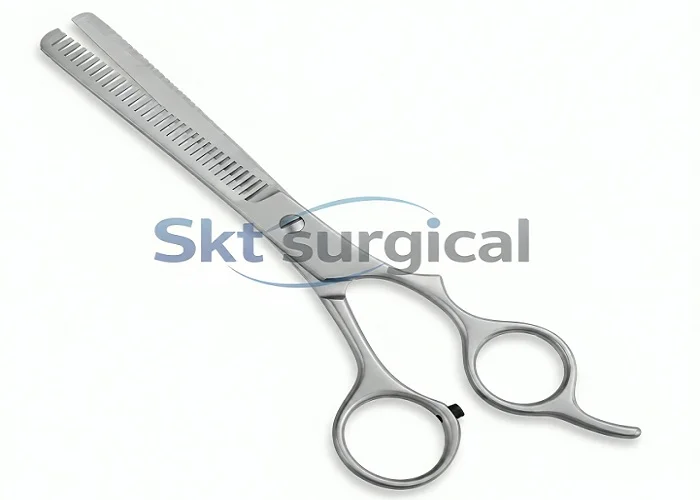
Introduction If you have ever wondered how professional hairstylists create those perfectly blended, lightweight, and natural-looking haircuts — the secret often lies in one specialized tool: hair thinning scissors. The image above showcases a premium pair of professional thinning shears featuring a sleek silver stainless steel body with striking blue crystal-studded finger rings — a design that combines elegance with serious functionality. In this comprehensive guide, we cover everything you need to know about thinning scissors — from how they work to how to choose the best pair for your needs. What Are Hair Thinning Scissors? Hair thinning scissors, also called thinning shears or texturizing scissors, are specialized haircutting tools with one serrated (toothed) blade and one straight blade. Unlike regular scissors that cut every hair strand they touch, thinning shears only cut a portion of the hair, allowing the rest to pass through the teeth uncut. The result is reduced bulk, softer texture, and seamless blending — all without shortening the overall hair length significantly. Product Overview: Blue Ring Thinning Shears Based on the image, here is a detailed breakdown of this specific scissor model: Feature Specification Blade Type One serrated toothed blade + one straight blade Tooth Count Approximately 12–16 wide teeth Handle Style Offset ergonomic handle Ring Design Blue crystal-studded finger rings Body Finish Mirror-polished stainless steel Finger Rest Removable tang for comfort Size Approximately 6.0″–6.5″ Best For Heavy bulk removal, texturizing How Do Thinning Scissors Work? The science behind thinning scissors is simple yet brilliant: The toothed blade has gaps between each tooth As the scissors close, only the hair caught between the teeth gets cut The hair aligned with the gaps passes through uncut This selective cutting removes anywhere from 20% to 70% of hair bulk depending on tooth count Tooth Count and Its Effect: Tooth Count Effect Best For 7–15 teeth Removes most bulk Very thick, coarse hair 16–25 teeth Moderate thinning Medium to thick hair 26–35 teeth Light thinning All hair types 36–45 teeth Blending and finishing Fine to medium hair The model shown in the image has wider, fewer teeth — making it ideal for heavy bulk removal on thick hair. Key Benefits of Using Thinning Scissors For Professional Stylists: Speeds up the haircutting process significantly Creates salon-quality texture and movement Eliminates the “pyramid” shape in thick hair Allows precise blending between layers Reduces overall styling time for clients For Home Users: Manage thick, heavy hair between salon visits Achieve professional-looking results at home Safe to use — minimal risk of cutting too much Saves money on frequent salon trips For Pet Groomers: Safely thins animal coats without cutting skin Creates a natural, well-groomed appearance Works well on dogs, cats, and other furry pets Step-by-Step: How to Use Thinning Scissors Step 1: Start With Dry, Styled Hair Always use thinning shears on dry hair so you can clearly see the final result as you work. Step 2: Section the Hair Divide hair into clean, manageable sections using clips. Work on one section at a time for best results. Step 3: Hold the Scissors Correctly Place your thumb in the smaller ring and your ring finger in the larger ring. Keep your pinky resting on the finger tang for stability. Step 4: Position Away From the Roots Never place thinning scissors closer than 2–3 inches from the scalp. Starting too close to the roots creates uneven, spiky results. Step 5: Make Clean, Smooth Cuts Slide the scissors down the hair shaft and make one clean cut per section. Avoid opening and closing multiple times in the same spot. Step 6: Check and Blend After each cut, shake the hair out and check the result before moving to the next section. Blend as needed. Step 7: Clean Up Use a fine-tooth comb to remove any cut hairs and check for any uneven areas. Who Should Use These Scissors? Professional Hairdressers and Barbers This type of wide-toothed thinning shear is a staple in every professional salon kit. The blue crystal ring design adds a premium aesthetic that clients notice and appreciate. Cosmetology Students Learning to use thinning shears is a fundamental skill in hairdressing education. This model is excellent for beginners due to its clear tooth structure. Home Hair Enthusiasts Anyone managing thick, unruly hair at home will benefit from adding thinning shears to their toolkit. Pet Groomers The wide teeth and sharp blades make this suitable for grooming thick-coated animals safely. How to Choose the Right Thinning Scissors Before purchasing thinning scissors, consider these important factors: 1. Blade Material Japanese Steel (VG-10, V1) – Premium quality, razor-sharp, long-lasting German Steel – Durable and sturdy, ideal for heavy daily use Korean Steel – Affordable mid-range option Stainless Steel – Budget-friendly, rust-resistant 2. Tooth Count Choose based on your hair type and desired result. Fewer, wider teeth like the model shown = more dramatic thinning. 3. Handle Design Straight handle – Traditional style Offset handle – Reduces wrist and hand strain (shown in image) Crane handle – Maximum ergonomic comfort for long sessions 4. Size 5.0″–5.5″ – Better control for detailed work 6.0″–6.5″ – Standard professional size (as shown) 7.0″+ – For thick, long hair or pet grooming 5. Tension System Look for an adjustable screw tension system so you can customize blade resistance to your cutting style. Maintenance and Care Guide To protect your investment and keep your thinning scissors performing at their best: Daily Care: Wipe blades with a clean, dry cloth after every use Remove all hair clippings from between the teeth Apply one drop of scissor oil to the pivot point daily Weekly Care: Deep clean blades with a soft cloth and mild cleaner Check and adjust screw tension as needed Inspect teeth for any bending or damage Monthly Care: Have blades professionally sharpened if needed Polish the handles to maintain the finish Check the finger rings for any loosening Storage: Always store in a protective scissor case or pouch Keep away from moisture and humidity Never toss loosely in a

beauty instruments

Gold Embroidery Scissors: Complete Guide to Decorative Craft Scissors

What Are Embroidery Scissors? Embroidery scissors are small, precision cutting tools specifically designed for needlework, sewing, and craft projects. As seen in the image above, these scissors feature a stunning gold-plated decorative handle with an intricate leaf or floral pattern, paired with sharp stainless steel blades that taper to a fine point. This style of scissors is not just a functional tool — it is also a collector’s item and decorative piece cherished by crafters, embroiderers, and sewing enthusiasts worldwide. Key Features of the Scissors Shown The scissors in the image display several premium characteristics: Feature Detail Handle Material Gold-plated with ornate leaf/floral engraving Blade Material High-grade stainless steel Blade Type Fine, sharp pointed tips Size Small (approximately 3.5″–4″) Design Style Decorative / Antique / Vintage Primary Use Embroidery, needlework, fine crafts Types of Embroidery Scissors 1. Pointed Tip Embroidery Scissors Like the ones shown in the image, these have sharp, narrow points ideal for: Cutting thread close to fabric Removing stitches precisely Detailed needlework 2. Curved Blade Scissors Feature slightly curved blades for working in tight spaces within embroidery hoops. 3. Stork Scissors Shaped like a stork bird — a classic vintage design popular among collectors and sewists. 4. Standard Small Craft Scissors Simple design without decorative elements, used for general sewing tasks. What Are Gold Embroidery Scissors Used For? These elegant scissors serve multiple purposes across various crafts: Hand Embroidery – Cutting floss and thread with precision Cross Stitch – Trimming thread ends neatly Needlepoint – Working with fine yarns Quilting – Cutting small fabric pieces Jewelry Making – Cutting thin cords and threads Nail Art – Trimming nail accessories Gift Wrapping – Cutting ribbon and decorative paper Scrapbooking – Detailed paper cutting Benefits of Decorative Gold Handle Scissors Functionality: Sharp pointed blades allow precise, close cuts Small size gives better control over detailed work Lightweight design reduces hand fatigue Fine tips reach into tight embroidery spaces easily Aesthetic Value: Beautiful gold finish makes them a display-worthy tool Ornate engraving adds a vintage, luxurious feel Popular as gifts for crafters and sewists Often used as decorative pieces on sewing tables How to Use Embroidery Scissors Properly Hold correctly – Use your thumb and ring finger in the handles for better control Cut at an angle – Angling the blade slightly gives cleaner thread cuts Use only for thread and light fabric – Avoid cutting paper or thick materials to preserve sharpness Cut close to knots – The fine tip allows cutting right next to a knot without damaging fabric Store safely – Always use a protective sheath or case to guard the sharp tips How to Care for Your Gold Embroidery Scissors Proper maintenance keeps your scissors performing beautifully for years: Wipe blades clean after each use with a soft, dry cloth Apply a drop of sewing machine oil to the pivot screw occasionally Avoid moisture — gold plating can tarnish if exposed to water or humidity Never use on paper or wire as this dulls the blades quickly Store in a pouch or case to protect both the blades and the decorative finish Polish the gold handles gently with a jewelry cloth to maintain the shine Who Should Buy Gold Embroidery Scissors? These scissors make an excellent choice for: Embroidery enthusiasts who want a reliable, beautiful tool Professional seamstresses looking for precision cutting Craft lovers who appreciate decorative, functional items Gift buyers searching for unique presents for crafters Collectors of vintage or antique-style sewing tools Beginners in needlework who want an all-in-one starter tool Things to Consider Before Buying Blade Sharpness Always look for high-carbon or stainless steel blades — they hold their edge longer and resist rust. Handle Comfort Even decorative scissors should feel comfortable. Test the ring size for your fingers before purchasing. Gold Plating Quality Ensure the gold plating is thick and durable. Thin plating chips or fades quickly with regular use. Size Standard embroidery scissors range from 3″ to 5″. Choose based on your project needs — smaller for delicate work, slightly larger for general sewing. Brand Reputation Look for trusted scissors brands known for quality craftsmanship and durability.

beauty instruments

Thinning Scissors: Complete Guide to Hair Thinning Shears

What Are Thinning Scissors? Thinning scissors, also known as thinning shears or texturizing scissors, are a specialized hairdressing tool designed to reduce hair bulk and create natural-looking texture without changing the overall hair length. As seen in the image above, these scissors feature one serrated (toothed) blade and one straight blade, giving them a distinctive appearance compared to regular hair cutting scissors. The blue-ringed handle design shown in the image is a popular professional-grade style, offering comfort and control during extended use. How Do Thinning Scissors Work? Unlike regular scissors that cut all hair strands in their path, thinning shears only cut a portion of the hair due to their toothed blade. The teeth allow some strands to pass through while cutting others, resulting in: Reduced bulk in thick hair Blended layers for a seamless finish Soft, feathered ends instead of blunt cuts Natural texture and movement Types of Thinning Scissors 1. Thinning Shears (30–45 Teeth) Best for removing bulk from thick hair. The image shows a classic thinning shear design with approximately 12–16 wide teeth, suitable for heavy texturizing. 2. Blending Shears (45–60 Teeth) Used for blending layers and softening harsh lines. Ideal for fine to medium hair. 3. Texturizing Shears (7–15 Teeth) Feature fewer, wider teeth for dramatic texture and chunky layers. Key Features to Look For When purchasing thinning scissors like the ones shown, consider these factors: Feature Description Blade Material Japanese or German stainless steel is preferred Tooth Count More teeth = finer thinning; fewer teeth = more dramatic Handle Design Offset or crane handles reduce hand fatigue Size 5.5″–6.5″ is standard for professional use Screw Tension Adjustable tension for smooth operation Benefits of Using Thinning Scissors For Professional Stylists: Saves time during haircuts Creates polished, salon-quality results Reduces weight in thick or coarse hair types Helps blend short and long sections seamlessly For Home Use: Easy to use with basic practice Avoids over-cutting Maintains hair length while managing volume How to Use Thinning Scissors Correctly Start on dry hair – Thinning shears work best on dry, styled hair so you can see the final result Work in sections – Divide hair into manageable sections before starting Never cut at the roots – Always keep at least 2–3 inches from the scalp Use in downward strokes – Point the scissors downward along the hair shaft Avoid over-thinning – Use sparingly, especially on fine hair Clean after each use – Remove hair clippings and oil the blades regularly Who Should Use Thinning Scissors? Professional barbers and hairdressers for everyday salon use Pet groomers for thinning animal fur Home users wanting to manage thick or bulky hair between salon visits Students learning hairdressing techniques Maintenance Tips To keep your thinning scissors in top condition: Oil the pivot screw after every use Clean blades with a dry cloth to remove hair and product buildup Store in a case to prevent blade damage Sharpen regularly by a professional scissor sharpener Avoid dropping as this can misalign the blades

beauty instruments

Surgical Scissors: Precision Instruments in Medical Procedures

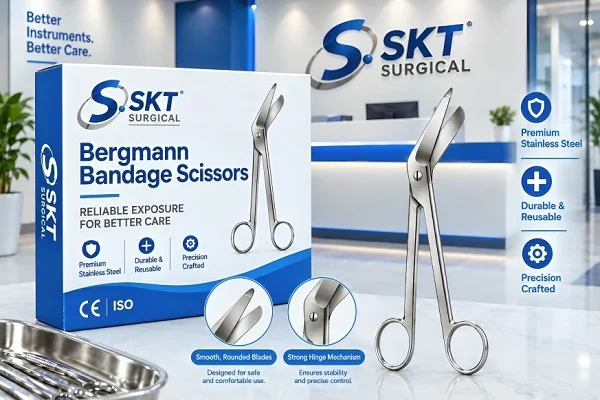
Introduction Surgical scissors are specialized instruments used in medical procedures for cutting tissues, sutures, and dressings. They are designed to provide precision and control during operations. Types of Surgical Scissors There are various types of surgical scissors, including: Straight Scissors: Used for cutting sutures and materials. Curved Scissors: Ideal for cutting delicate tissues. Bandage Scissors: Specifically designed for safely cutting bandages without harming the skin. Each type serves a specific purpose depending on the procedure. Material and Sterilization Surgical scissors are usually made from high-quality stainless steel to ensure durability and resistance to corrosion. Proper sterilization before and after use is essential to prevent infections and maintain hygiene standards. Conclusion Surgical scissors are an indispensable part of surgical instruments. Their precision, durability, and specialized design make them essential for safe and effective medical procedures.

beauty instruments

Surgical Masks: A Critical Tool for Infection Prevention

Introduction Surgical masks are widely used in hospitals and clinics to prevent the spread of infections. They act as a barrier that reduces the transmission of respiratory droplets, bacteria, and airborne particles. Structure of Surgical Masks Most surgical masks are designed with three protective layers: Outer Layer: Repels fluids such as blood and droplets. Middle Layer: Acts as a filter to block bacteria and particles. Inner Layer: Absorbs moisture from breathing. This layered structure makes surgical masks effective while still allowing comfortable breathing. Uses in Healthcare Settings Surgical masks are especially important during surgeries and medical procedures where maintaining a sterile environment is necessary. They protect patients from potential contamination and reduce the risk of infection spread. During outbreaks of contagious diseases, surgical masks also help protect the general public and healthcare workers. Conclusion Surgical masks are simple yet highly effective protective equipment. Their regular use plays a major role in infection control and public health safety.

beauty instruments

Surgical Gloves: Importance, Types, and Uses in Healthcare

Introduction Surgical gloves are one of the most important protective tools used in the medical field. They create a protective barrier between healthcare professionals and patients, reducing the risk of infection and contamination. From minor examinations to major surgeries, surgical gloves play a vital role in maintaining hygiene and safety standards. Importance of Surgical Gloves The primary purpose of surgical gloves is infection control. They protect doctors, nurses, and medical staff from exposure to blood, bodily fluids, and harmful microorganisms. At the same time, they prevent bacteria from the hands of healthcare workers from transferring to patients during procedures. Without proper glove usage, the chances of cross-contamination significantly increase. That is why wearing sterile gloves is mandatory in operating rooms and other critical healthcare environments. Types of Surgical Gloves There are several types of surgical gloves available: Latex Gloves: Known for flexibility and comfort. They provide excellent tactile sensitivity but may cause allergies in some individuals. Nitrile Gloves: Latex-free, durable, and puncture-resistant. These are widely used as a safer alternative. Vinyl Gloves: Generally used for low-risk procedures and short-term tasks. Choosing the right type depends on the medical procedure and user requirements. Conclusion Surgical gloves are essential for maintaining safety and hygiene in healthcare settings. Their correct selection and proper usage ensure protection for both medical professionals and patients.

Scroll to Top