Introduction
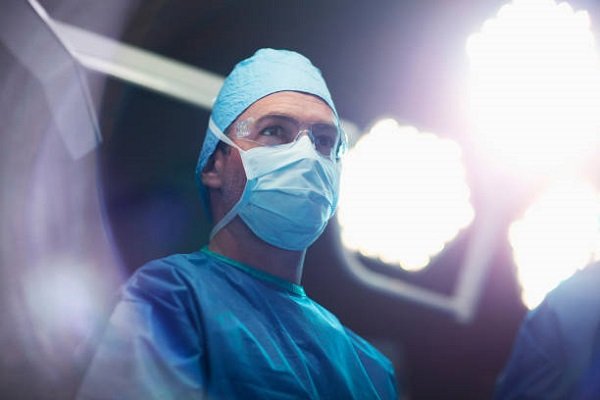
Surgical masks are widely used in hospitals and clinics to prevent the spread of infections. They act as a barrier that reduces the transmission of respiratory droplets, bacteria, and airborne particles.
Structure of Surgical Masks
Most surgical masks are designed with three protective layers:
-
Outer Layer: Repels fluids such as blood and droplets.
-
Middle Layer: Acts as a filter to block bacteria and particles.
-
Inner Layer: Absorbs moisture from breathing.
This layered structure makes surgical masks effective while still allowing comfortable breathing.
Uses in Healthcare Settings
Surgical masks are especially important during surgeries and medical procedures where maintaining a sterile environment is necessary. They protect patients from potential contamination and reduce the risk of infection spread.
During outbreaks of contagious diseases, surgical masks also help protect the general public and healthcare workers.
Conclusion
Surgical masks are simple yet highly effective protective equipment. Their regular use plays a major role in infection control and public health safety.